






















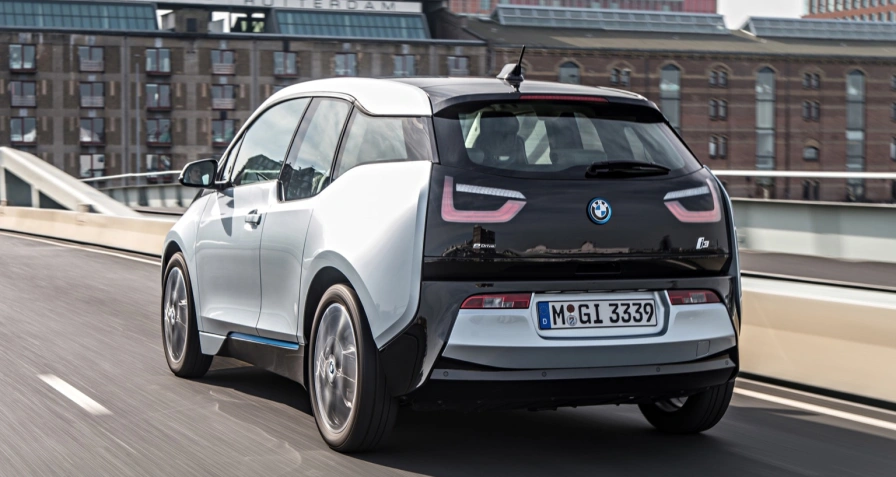
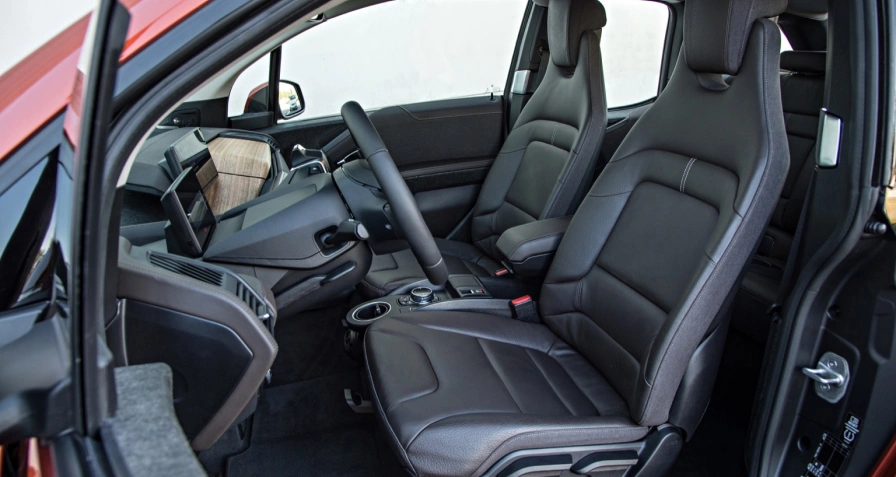
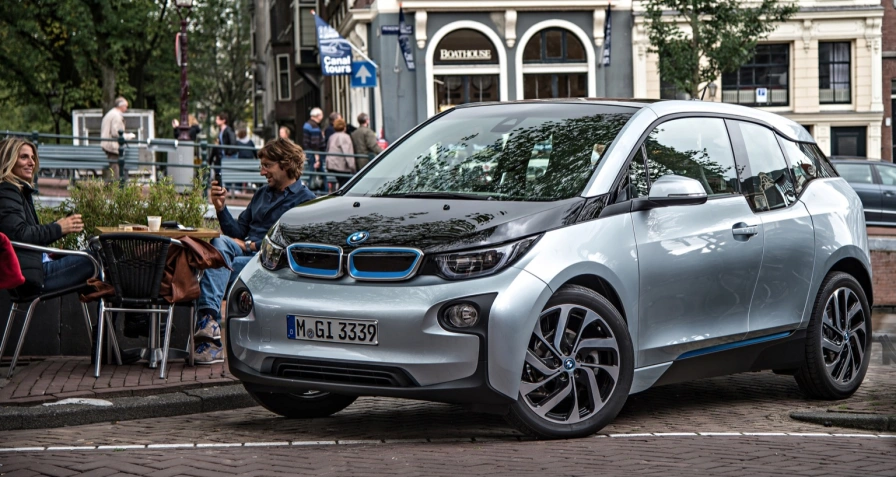
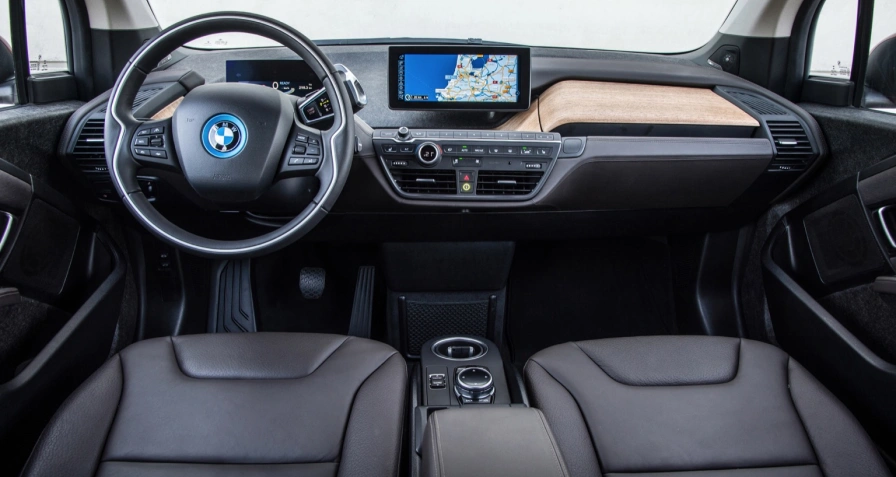
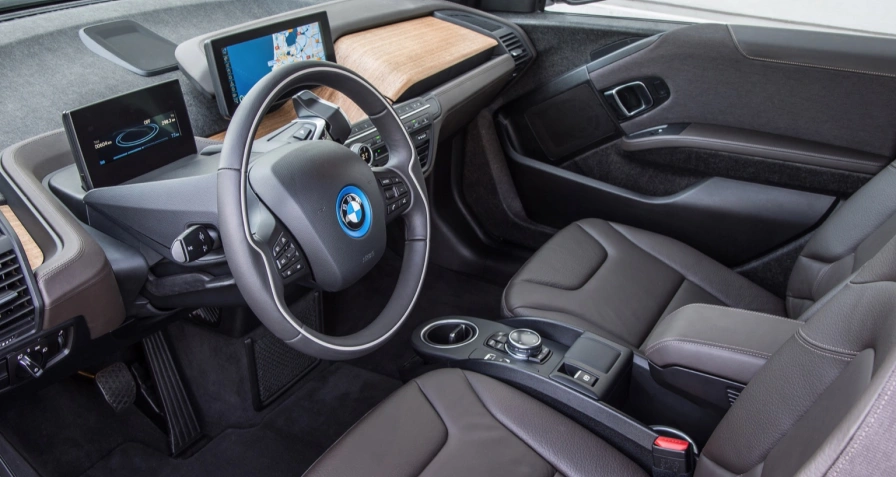
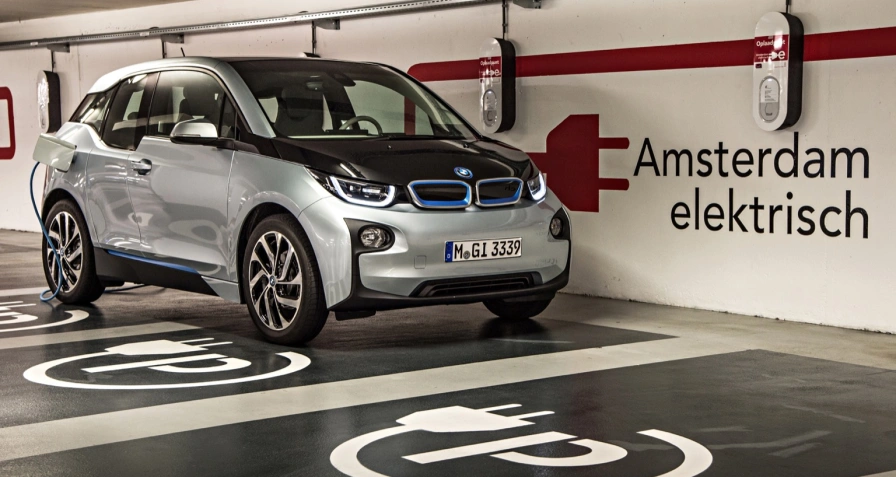
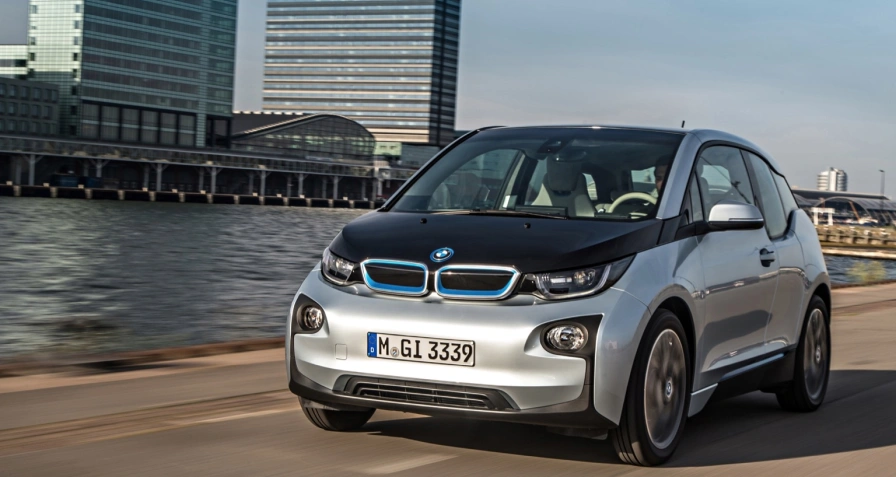
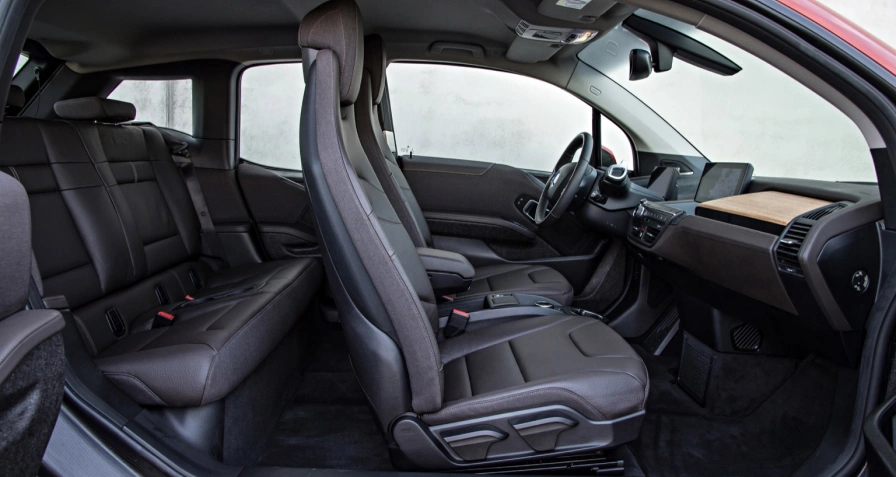
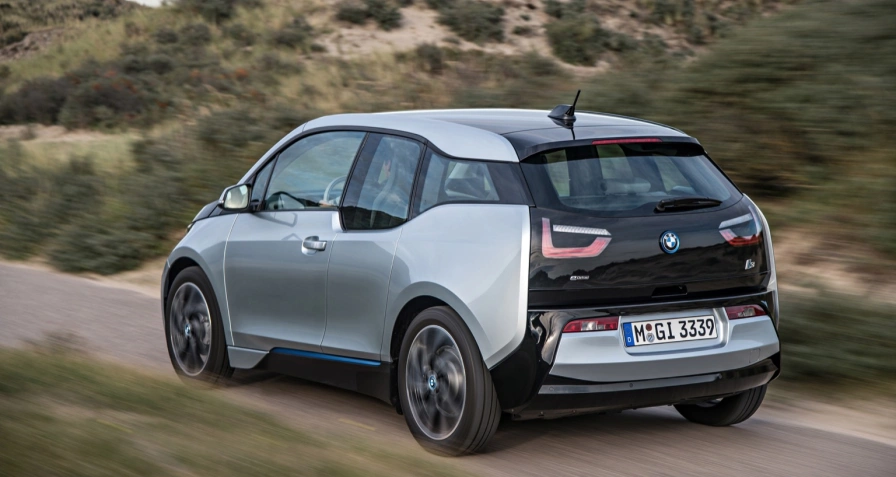
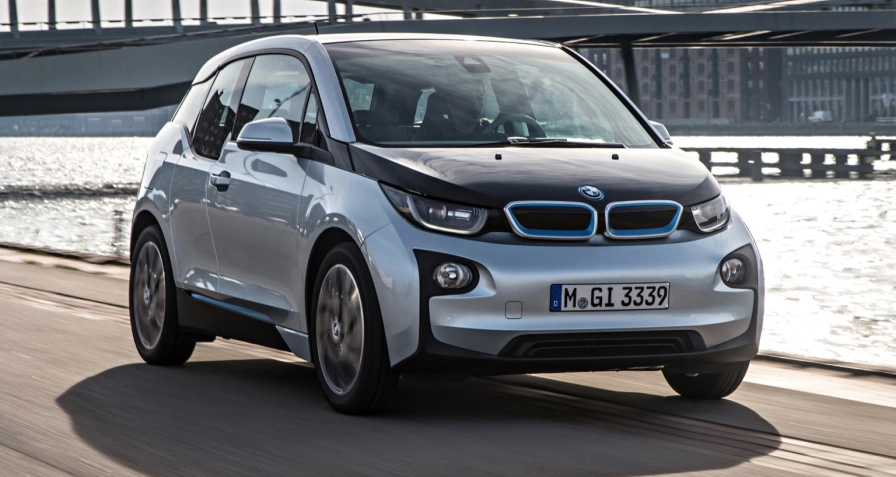
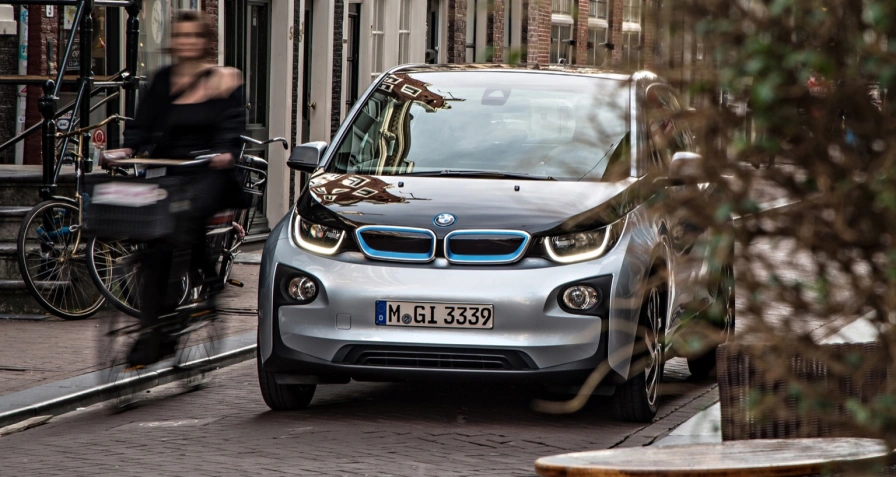
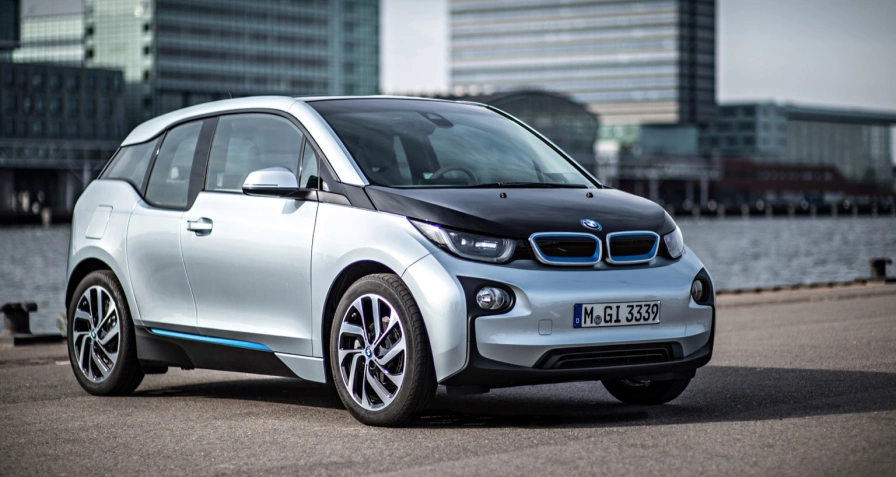
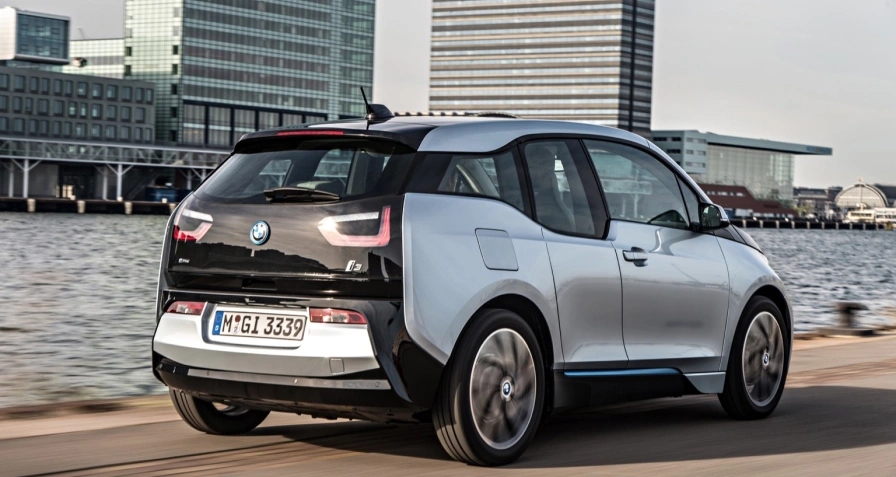
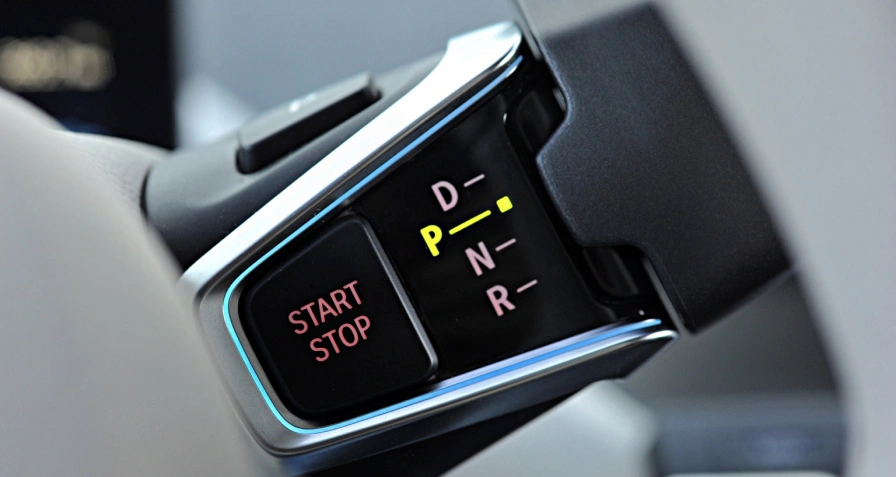
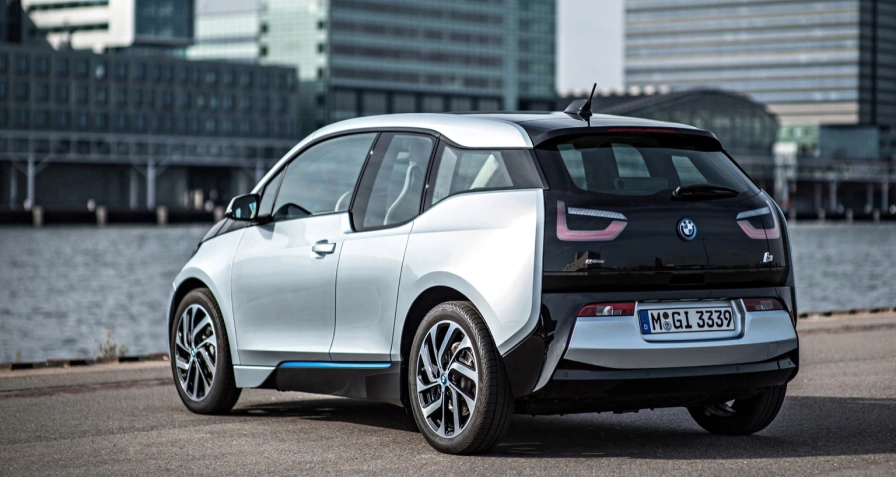
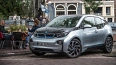
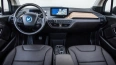
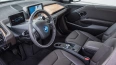
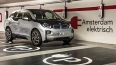
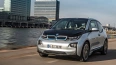
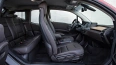
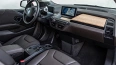
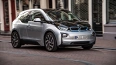
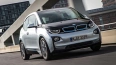
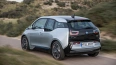
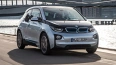
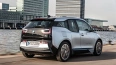
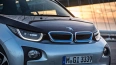
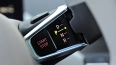
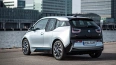
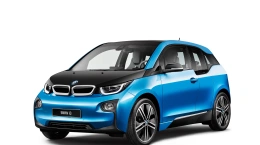
BMW i3 60 Ah
BMW i3 60 Ah BMW i3 60 Ah BMW i3 60 Ah BMW i3 60 Ah BMW i3 60 Ah BMW i3 60 Ah BMW i3 60 Ah BMW i3 60 Ah BMW i3 60 Ah BMW i3 60 Ah BMW i3 60 Ah BMW i3 60 Ah BMW i3 60 Ah BMW i3 60 Ah BMW i3 60 Ah BMW i3 60 Ah BMW i3 60 Ah BMW i3 60 Ah BMW i3 60 Ah BMW i3 60 Ah BMW i3 60 Ah BMW i3 60 Ah BMW i3 60 Ah BMW i3 60 Ah BMW i3 60 Ah BMW i3 60 Ah BMW i3 60 Ah BMW i3 60 Ah

Key specifications

Battery
18.8 kWh
Real range
between 80 and 180 km
Consumption
163 Wh/km
Drive
Rear-wheel drive
Fast charging
47 kW
Acceleration
7.2 s
Compare this version with other EV models by range, battery, charging, performance and more.

Related versions

Real-world range

between 80 and 180 km
City driving – cold weather115 km
Highway driving – cold weather80 km
Mixed driving – cold weather100 km
City driving – mild weather180 km
Highway driving – mild weather105 km
Mixed driving – mild weather135 km

Range is measured under different conditions: cold weather = -10 °C with heating. Mild weather = 23 °C with climate control. Highway = constant 110 km/h. Actual range will vary with speed, driving style, weather and route.

Long-distance suitability

0 / 5
First leg82 km
Distance to charging stop0 km
Second leg51 km
Total distance133 km
First leg time45 min
Charging time15 min
Second leg time28 min
Total time1 h 28 min

Click here for full analysis .

Long-distance suitability is a 5-star rating that indicates how well the vehicle is suited for long trips. The assessment is based on one-stop range: the total distance the vehicle can cover with one 15-minute charging stop.

Battery

Nominal capacity21.6 kWh
Battery typeLithium-ion
Number of cellsNo data
Architecture400 V
Warranty periodNo data
Warranty mileageNo data
Useable capacity18.8 kWh
Cathode materialNo data
Pack configurationNo data
Nominal voltageNo data
Form factorNo data
Name / referenceNo data

Charging

Home / destination

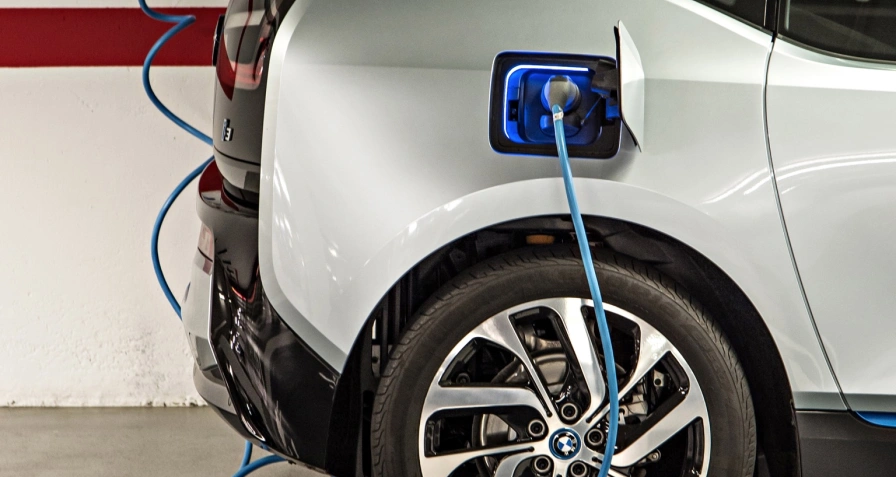
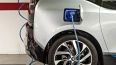
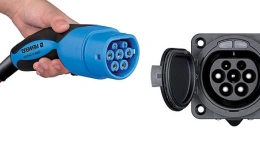
Charge portType 2
Port locationRight side - rear
Charge power7.4 kW AC
Charge time (0->115 km) 3 h
Charge speed38 km/h

Fast charging

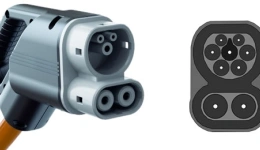
Charge portCCS
Port locationRight side - rear
Max charging power47 kW DC
Charging power (10–80%)41 kW DC
Charge time (11->92 km) 20 min
Charge speed240 km/h
Autocharge supportedYes

Plug & Charge

Plug & Charge supportedNo
Supported protocolNot applicable

Battery preconditioning

Preconditioning possibleNo
Automatic preconditioning using navigationNo

Performance

Acceleration 0–100 km/h7.2 s
Top speed150 km/h
Electric range115 km
Total power125 kW (170 PS)
Total torque250 Nm
DrivetrainRear-wheel drive

Bidirectional charging (V2X / BPT)

Vehicle-to-Load (V2L)

V2L supportedNo
Exterior outlet(s)Not applicable
Max output powerNot applicable
Interior outlet(s)Not applicable

Vehicle-to-Home (V2H)

V2H via AC supportedNo
V2H via DC supportedNo
Max output power via ACNot applicable
Max output power via DCNot applicable
Max output powerNot applicable

Vehicle-to-Grid (V2G)

V2G via AC supportedNo
V2G via DC supportedNo
Max output power via ACNot applicable
Max output power via DCNot applicable
Max output powerNot applicable

Energy consumption

EVDB real-world range

Range115 km
CO₂ emissions0 g/km
Real consumption163 Wh/km
Real fuel equivalent1.8 l/100 km

NEDC values

Range190 km
CO₂ emissions0 g/km
Rated consumptionNo data
Rated fuel equivalentNo data
Real consumption99 Wh/km
Real fuel equivalent1.1 l/100 km

“Rated” = official figures published by the manufacturer. Rated consumption and fuel equivalence include charging losses.
“Real” = calculated energy use from the battery for propulsion and onboard systems.

Real-world energy consumption

between 104 and 235 Wh/km
City driving – cold weather163 Wh/km
Highway driving – cold weather235 Wh/km
Mixed driving – cold weather188 Wh/km
City driving – mild weather104 Wh/km
Highway driving – mild weather179 Wh/km
Mixed driving – mild weather139 Wh/km

Indication of real-world consumption under different conditions. Cold weather is based on -10 °C and use of heating. Mild weather is based on 23 °C and no climate-control load. Highway figures assume a constant speed of 110 km/h. Actual consumption varies with speed, driving style, weather and route conditions.

Safety (Euro NCAP)

Euro NCAP rating
4 / 5
Adult occupant86%
Child occupant81%
Year2013
Vulnerable road users57%
Safety assist55%

More information about this vehicle’s safety rating: euroncap.com .

Dimensions and weight

Length3999 mm
Width1775 mm
Width with mirrorsNo data
Height1578 mm
WheelbaseNo data
Curb weight1270 kg
Gross vehicle weight1620 kg
Maximum payload425 kg
Cargo volume260 L
Maximum cargo volume1100 L
Front trunkNo data
Roof loadNo data
Tow hitch possibleNo data
Unbraked towing capacityNo data
Braked towing capacityNo data
Maximum vertical loadNo data

Weight test by Bjørn Nyland

Measured weight1360 kg
Front axle weight640 kg
Rear axle weight720 kg
Weight distribution (front/rear)47% / 53%

Miscellaneous

Seats4 seats
IsofixNo data
Turning circleNo data
PlatformNo data
Dedicated EV platformNo data
Body styleEstate
SegmentB - Compact
Roof railsNo data
Heat pumpNo data
Heat pump as standard equipmentNo data

Home and destination charging (0 → 100 %)

Charging can be done from a regular wall socket or from a dedicated charging station. Public AC charging is always done through a charging station. How quickly the vehicle can charge depends on the charging equipment, cable, connector and the vehicle’s onboard charging capacity. The table below shows the available charging options for BMW i3 60 Ah from empty to full battery.

Norway

In Norway, both single-phase and three-phase AC connections are used, while three-phase charging is common in private and public charging points. The table below lists the possible charging options for BMW i3 60 Ah, but availability may vary by charging operator, installation and region.

Type 2 (Mennekes - IEC 62196)
AC charging port for BMW i3 60 Ah (2013-2017) - Type 2 (Mennekes - IEC 62196)
Charge point Max power Power Time Speed
Wall outlet (2.3 kW) 230V / 1x10A 2.3 kW 9 h 45 min 12 km/h
1-phase 16A (3.7 kW) 230V / 1x16A 3.7 kW 6 h 19 km/h
1-phase 32A (7.4 kW) 230V / 1x32A 7.4 kW 3 h 38 km/h
3-phase 16A (11 kW) 230V / 1x16A 3.7 kW † 6 h 19 km/h
3-phase 32A (22 kW) 230V / 1x32A 7.4 kW † 3 h 38 km/h

† = Limited by the onboard charger; the vehicle cannot charge faster than this.

Fast charging (10 → 80 %)

Fast charging is used for longer trips and short charging stops. The actual speed depends on charger power, battery temperature, state of charge, battery preconditioning and the vehicle’s charging curve. The table below shows typical 10–80 % fast-charging options for BMW i3 60 Ah where data is available.

Combined Charging System (CCS Combo 2)
DC charging port for BMW i3 60 Ah (2013-2017) - Combined Charging System (CCS Combo 2)
Charge point Max power Avg power Time Speed
CCS (50 kW DC) 47 kW † 41 kW † 20 min 240 km/h

† = Limited by the vehicle’s maximum DC charging capability.

Long-distance suitability

Long-distance suitability is not determined by range alone. Charging speed is almost as important. Battery capacity, efficiency and fast-charging performance together decide how useful an electric vehicle is on longer trips.

To make vehicles easier to compare, Elbil RADAR uses a method called “1-stop range”. It combines driving range and charging performance and estimates how far the vehicle can travel with one 15-minute charging stop. The result is converted into a 0–5 star rating.

BMW i3 60 Ah
0 / 5
0
1
2
3
4
5
95 km
52 min
15 min
59 km
32 min
82 km
45 min
15 min
51 km
28 min
133 km (1 h 28 min)
72 km
39 min
15 min
45 km
24 min
117 km (1 h 18 min)
0 km
100
200
300
400
500
600
700
800
Mild weather
153 km 1-stop range
Average conditions
133 km 1-stop range
Cold weather
117 km 1-stop range

© 2026 Elbil RADAR. All rights reserved.

All content on this website is protected by copyright. Use is permitted only with a clear and active link back to the source.

About Elbil RADAR · Contact