






















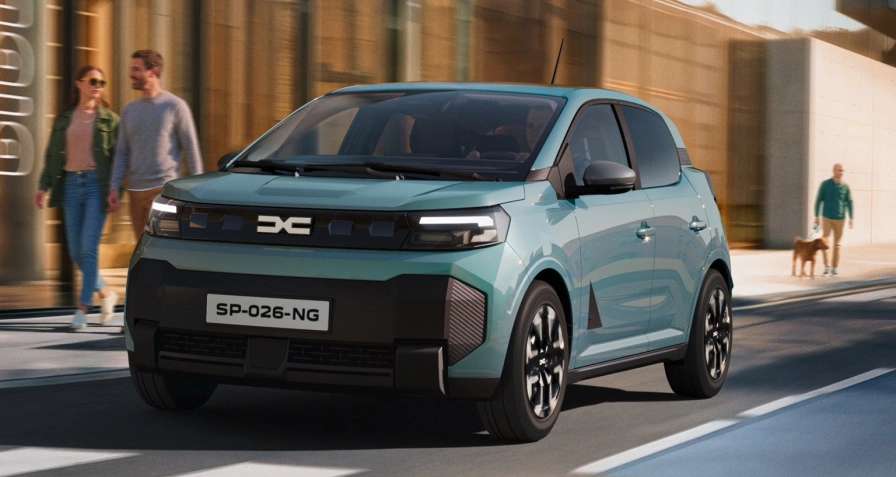
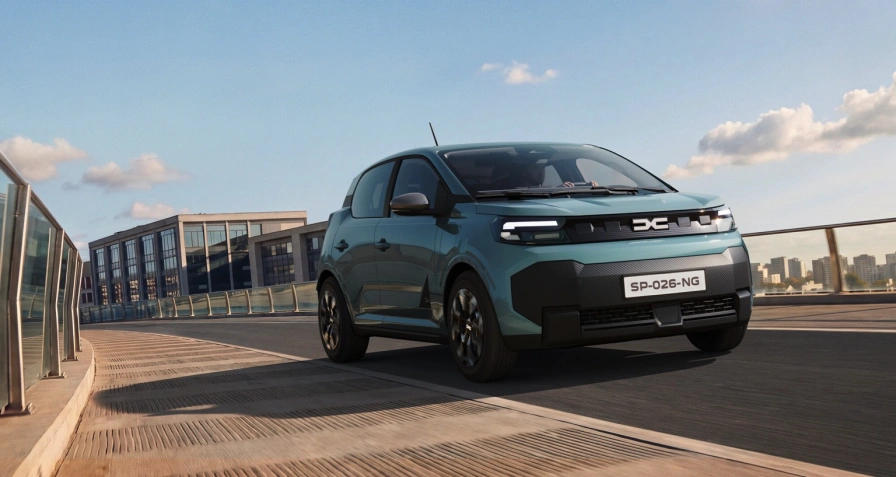
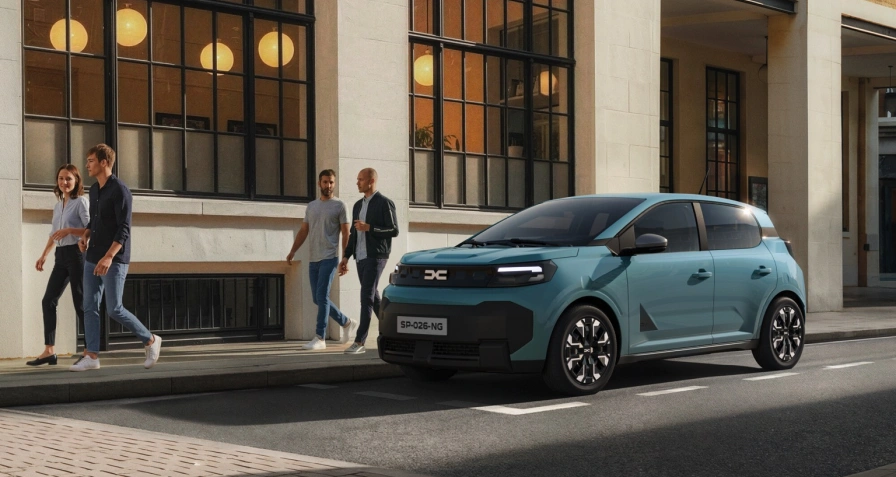
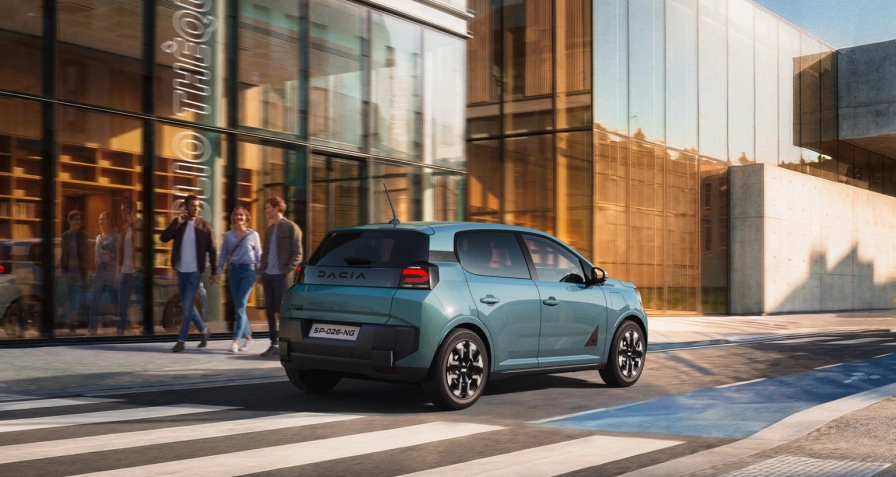
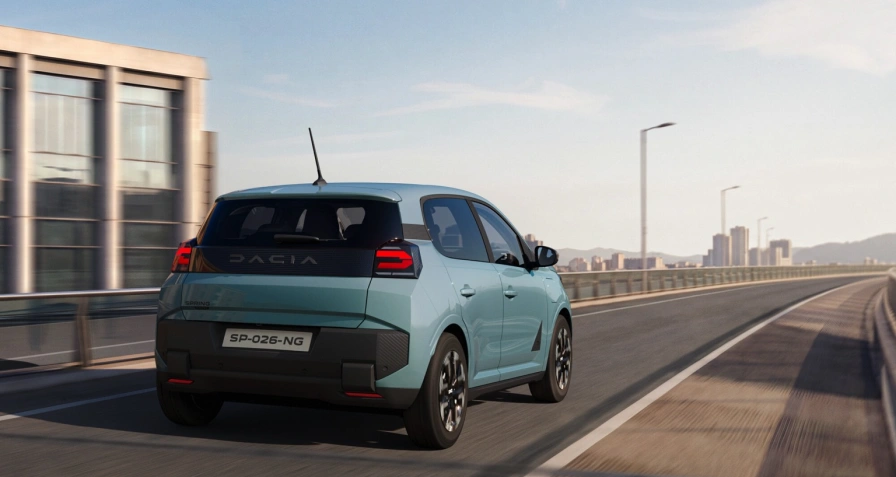
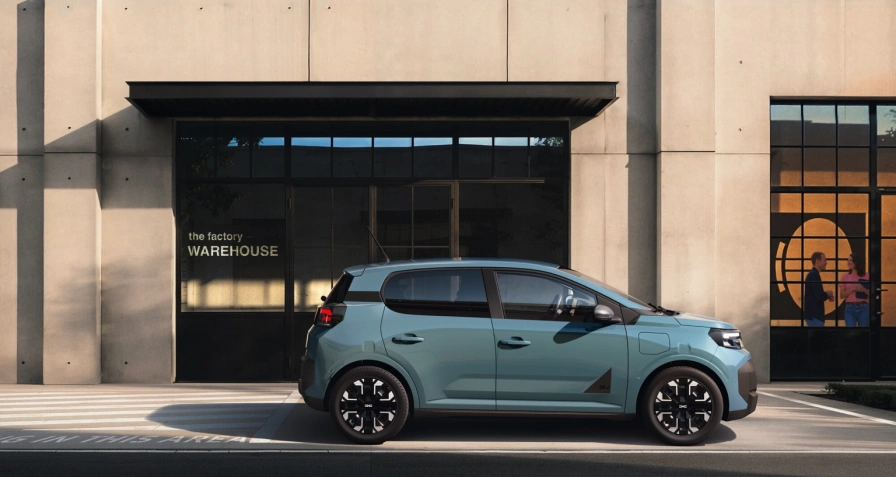
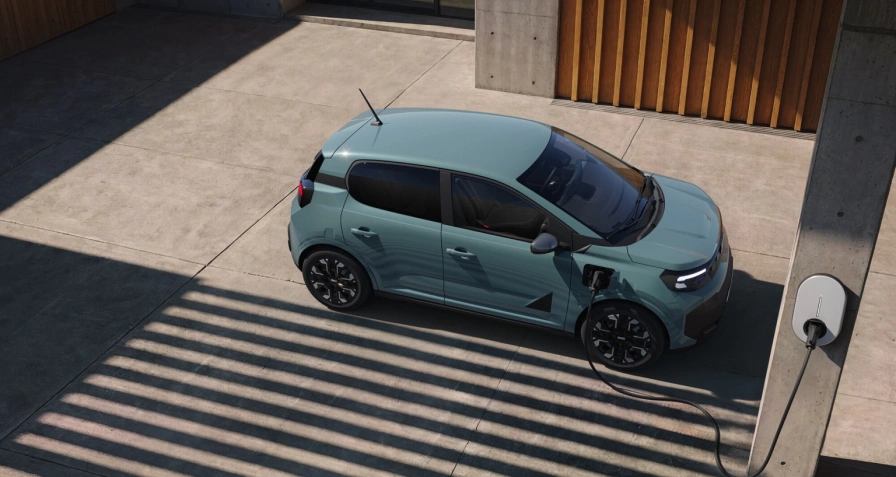
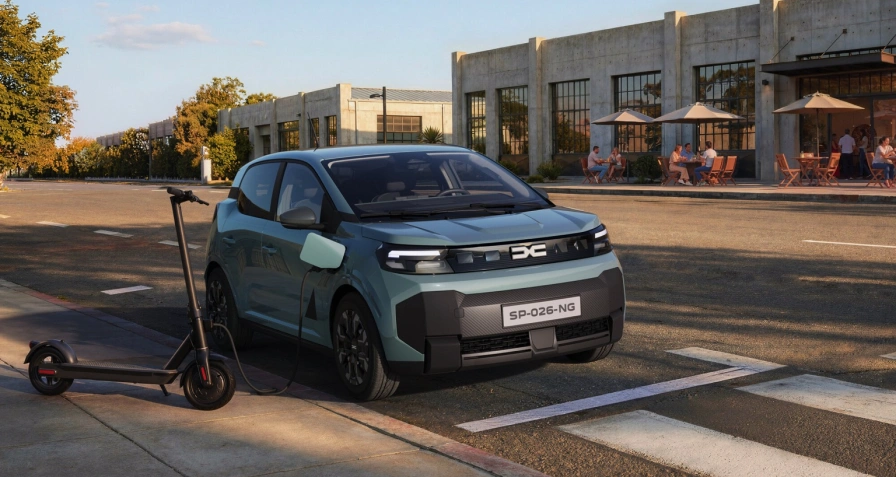
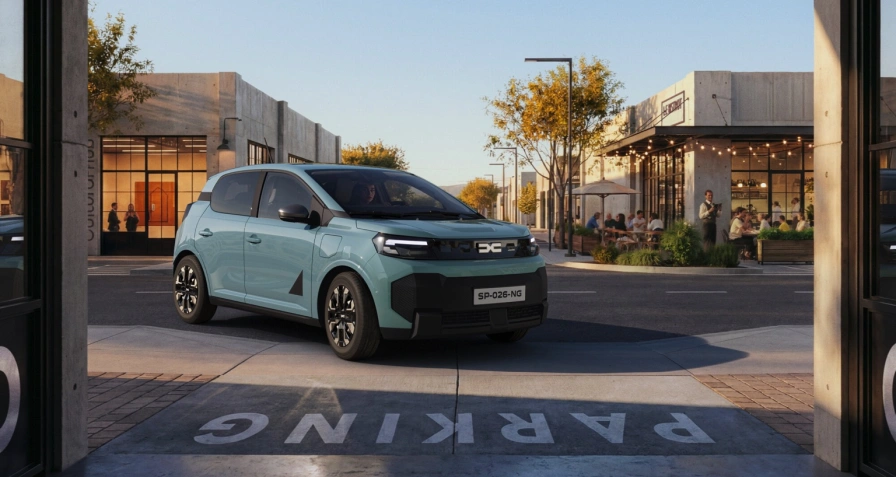
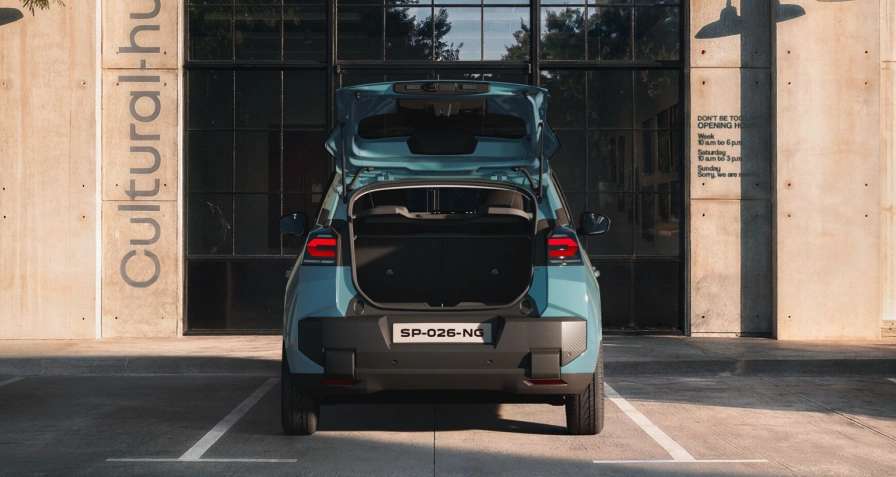
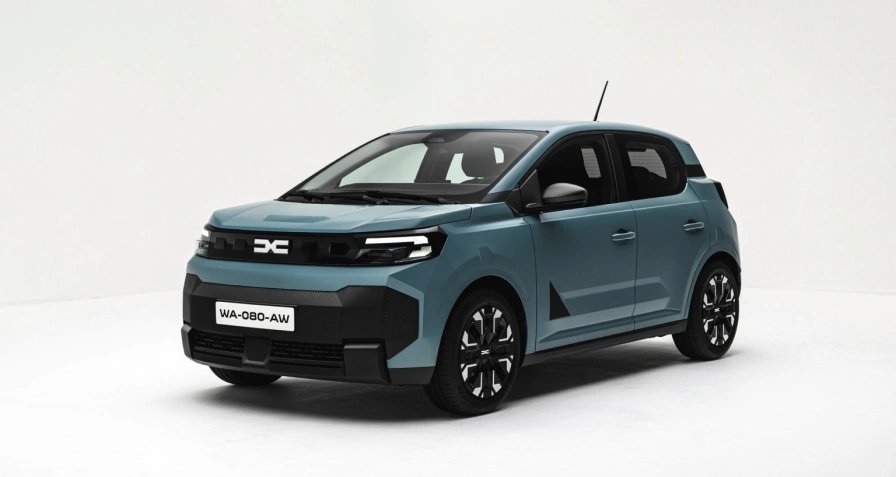
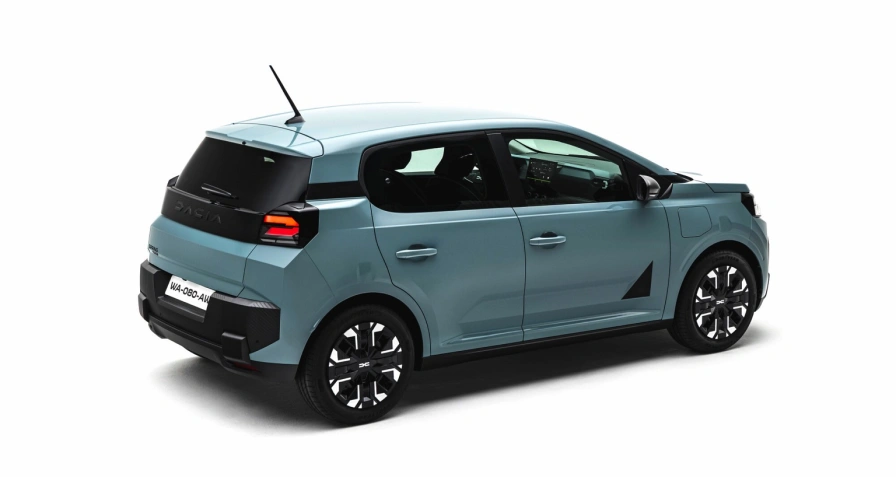
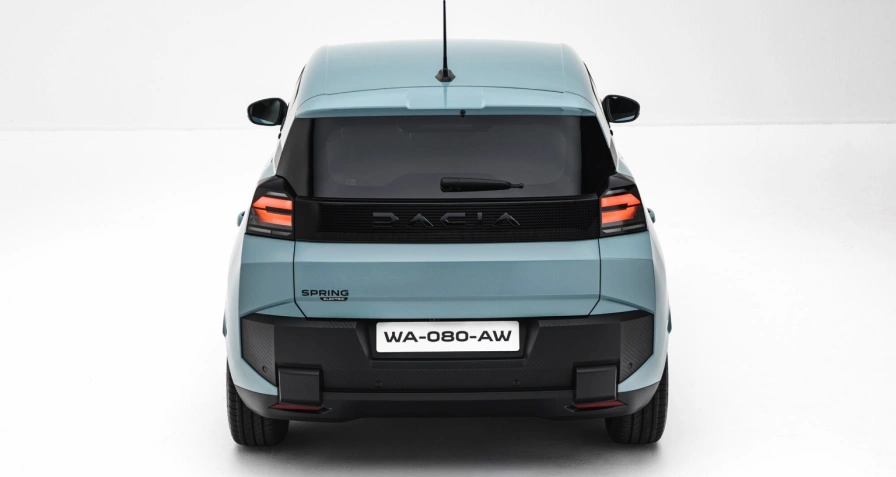
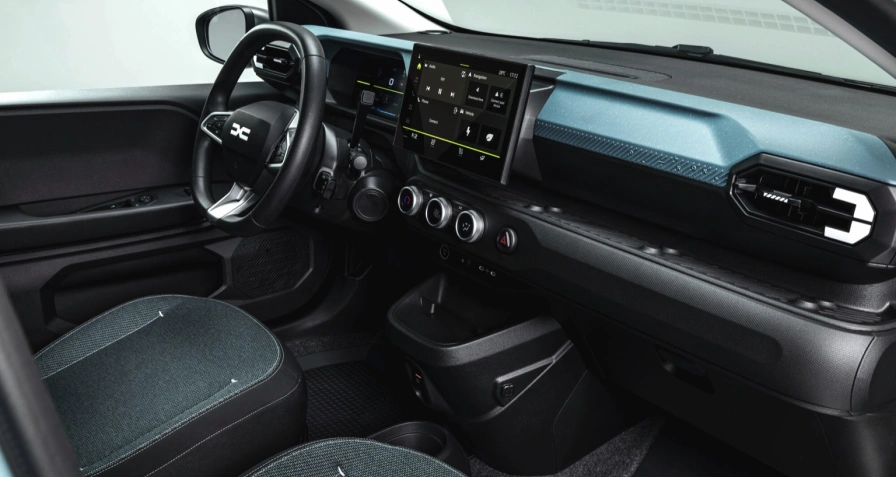
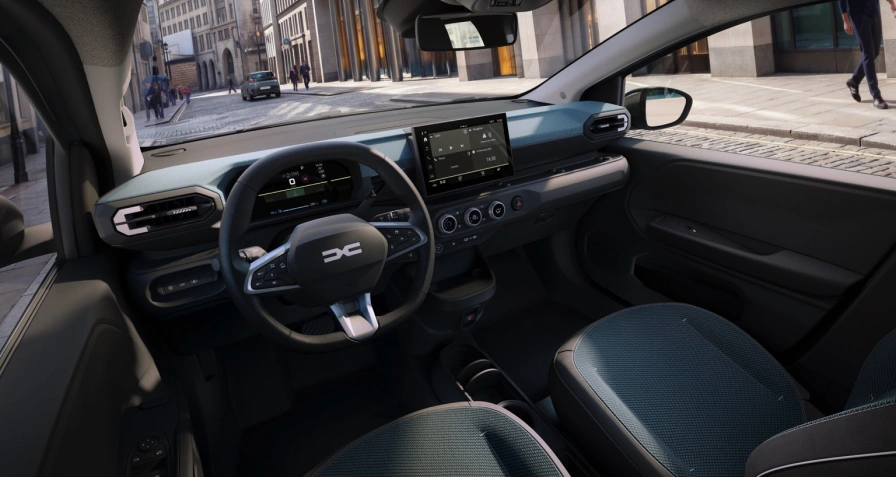
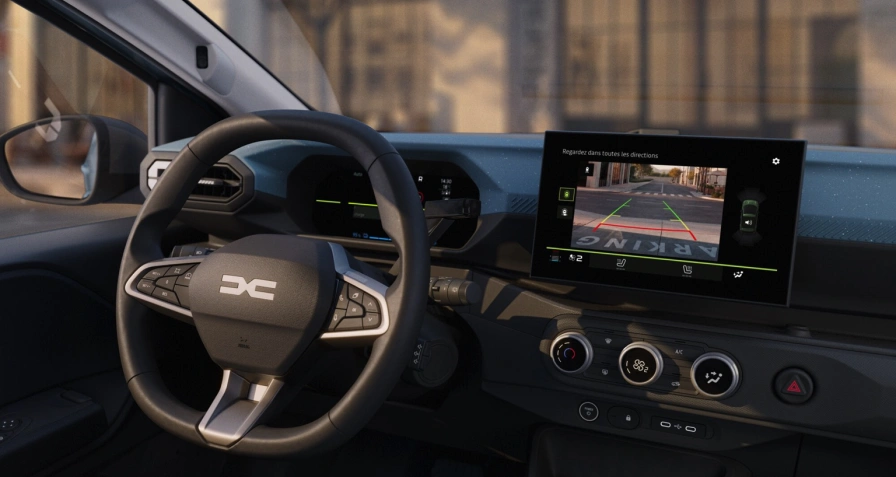
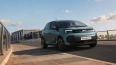
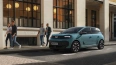
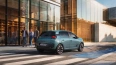
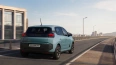
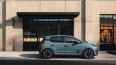
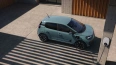
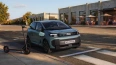

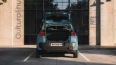
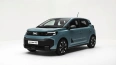
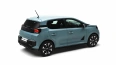
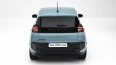
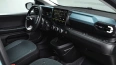
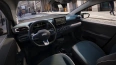
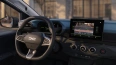









Dacia Spring Electric 80
Dacia Spring Electric 80 Dacia Spring Electric 80 Dacia Spring Electric 80 Dacia Spring Electric 80 Dacia Spring Electric 80 Dacia Spring Electric 80 Dacia Spring Electric 80 Dacia Spring Electric 80 Dacia Spring Electric 80 Dacia Spring Electric 80 Dacia Spring Electric 80 Dacia Spring Electric 80 Dacia Spring Electric 80 Dacia Spring Electric 80 Dacia Spring Electric 80 Dacia Spring Electric 80 Dacia Spring Electric 80 Dacia Spring Electric 80 Dacia Spring Electric 80 Dacia Spring Electric 80 Dacia Spring Electric 80 Dacia Spring Electric 80 Dacia Spring Electric 80 Dacia Spring Electric 80 Dacia Spring Electric 80 Dacia Spring Electric 80 Dacia Spring Electric 80 Dacia Spring Electric 80 Dacia Spring Electric 80 Dacia Spring Electric 80 Dacia Spring Electric 80 Dacia Spring Electric 80 Dacia Spring Electric 80 Dacia Spring Electric 80 Dacia Spring Electric 80 Dacia Spring Electric 80 Dacia Spring Electric 80 Dacia Spring Electric 80 Dacia Spring Electric 80

Key specifications

European launch price
€17 900
Battery
27.5 kWh
Real range
between 120 and 270 km
Consumption
157 Wh/km
Drive
Front-wheel drive
Fast charging
50 kW
Acceleration
12.1 s
Compare this version with other EV models by range, battery, charging, performance and more.
Annual mileage13,670 mi
Trip distance186 mi
Home electricity price$0.17/kWh
Home charging share85%
Fuel price$0.86/gal

Charging cost

per month
$57.29
per year
$688
per 100 mi
$5.04
full charge at home
$5.14

Incl. estimated 10% charging loss

Trip cost · 186 mi

energy used
51.6 kWh
cost (EV)
$17.43
charging stops
2
Savings on this trip vs a combustion car
-$2.21

Compared to a combustion car Dacia Sandero 1.0 TCe 90 Change model

savings per year
$428
over 5 years
$2,138
EV per 100 mi
$5.04
rival per 100 mi
$8.16
Open full calculator

Real-world range

between 120 and 270 km
City driving – cold weather175 km
Highway driving – cold weather120 km
Mixed driving – cold weather145 km
City driving – mild weather270 km
Highway driving – mild weather160 km
Mixed driving – mild weather200 km

Range is measured under different conditions: cold weather = -10 °C with heating. Mild weather = 23 °C with climate control. Highway = constant 110 km/h. Actual range will vary with speed, driving style, weather and route.

Long-distance suitability

0 / 5
First leg123 km
Distance to charging stop0 km
Second leg56 km
Total distance180 km
First leg time1 h 7 min
Charging time15 min
Second leg time31 min
Total time1 h 53 min

Click here for full analysis .

Long-distance suitability is a 5-star rating that indicates how well the vehicle is suited for long trips. The assessment is based on one-stop range: the total distance the vehicle can cover with one 15-minute charging stop.

Battery

Nominal capacity29.0 kWh
Battery typeLithium-ion
Number of cellsNo data
Architecture400 V
Warranty periodNo data
Warranty mileageNo data
Useable capacity27.5 kWh
Cathode materialLFP
Pack configurationNo data
Nominal voltage300 V
Form factorPouch
Name / referenceNo data

Charging

Home / destination

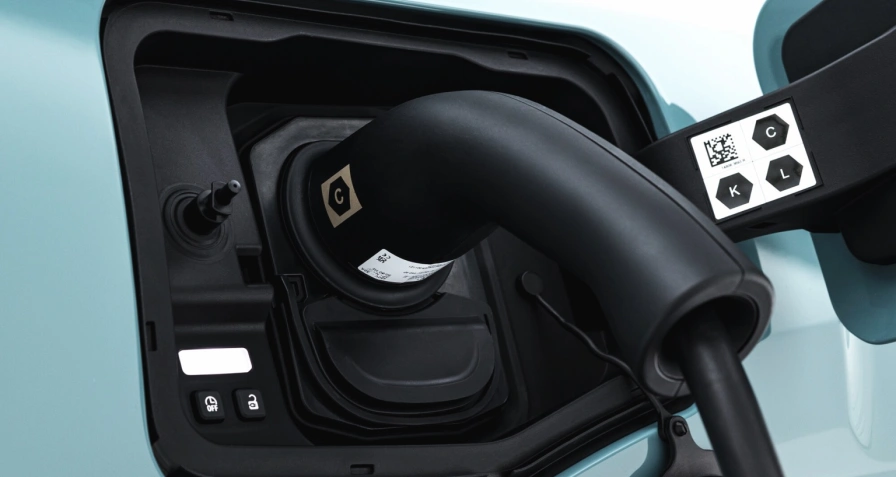
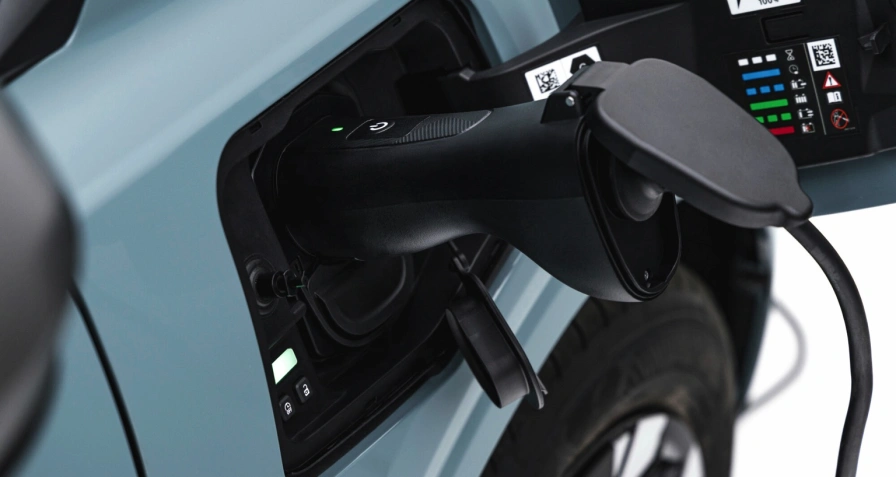
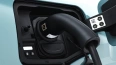
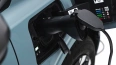
Charge portType 2
Port locationRight side - front
Charge power6.6 kW AC
Charge time (0->175 km) 5 h
Charge speed36 km/h

Fast charging

Charge portCCS
Port locationRight side - front
Max charging power50 kW DC
Charging power (10–80%)40 kW DC
Charge time —
Charge speed240 km/h
Autocharge supportedYes

Plug & Charge

Plug & Charge supportedNo
Supported protocolNot applicable

Battery preconditioning

Preconditioning possibleNo data
Automatic preconditioning using navigationNo data

Performance

Acceleration 0–100 km/h12.1 s
Top speed130 km/h
Electric range175 km
Total power60 kW (82 PS)
Total torque175 Nm
DrivetrainFront-wheel drive

Bidirectional charging (V2X / BPT)

Vehicle-to-Load (V2L)

V2L supportedYes
Exterior outlet(s)1 x Type 2 (adapter)
Max output power3.7 kW AC
Interior outlet(s)Not applicable

Vehicle-to-Home (V2H)

V2H via AC supportedNo
V2H via DC supportedNo
Max output power via AC—
Max output power via DC—
Max output powerNot applicable

Vehicle-to-Grid (V2G)

V2G via AC supportedNo
V2G via DC supportedNo
Max output power via AC—
Max output power via DC—
Max output powerNot applicable

Energy consumption

EVDB real-world range

Range175 km
CO₂ emissions0 g/km
Real consumption157 Wh/km
Real fuel equivalent1.8 l/100 km

WLTP values (TEL – lowest weight)

Range250 km
CO₂ emissions0 g/km
Rated consumption127 Wh/km
Rated fuel equivalent1.4 l/100 km
Real consumption110 Wh/km
Real fuel equivalent1.2 l/100 km

WLTP values (TEH – highest weight)

Range245 km
CO₂ emissions0 g/km
Rated consumption129 Wh/km
Rated fuel equivalent1.4 l/100 km
Real consumption112 Wh/km
Real fuel equivalent1.3 l/100 km

TEL = Test Energy Low
TEH = Test Energy High
“Rated” = official figures published by the manufacturer. Rated consumption and fuel equivalence include charging losses.
“Real” = calculated energy use from the battery for propulsion and onboard systems.

Real-world energy consumption

between 102 and 229 Wh/km
City driving – cold weather157 Wh/km
Highway driving – cold weather229 Wh/km
Mixed driving – cold weather190 Wh/km
City driving – mild weather102 Wh/km
Highway driving – mild weather172 Wh/km
Mixed driving – mild weather138 Wh/km

Indication of real-world consumption under different conditions. Cold weather is based on -10 °C and use of heating. Mild weather is based on 23 °C and no climate-control load. Highway figures assume a constant speed of 110 km/h. Actual consumption varies with speed, driving style, weather and route conditions.

Dimensions and weight

Length3855 mm
Width1722 mm
Width with mirrors1953 mm
Height1519 mm
Wheelbase2492 mm
Curb weight1287 kg
Gross vehicle weight1590 kg
Maximum payload378 kg
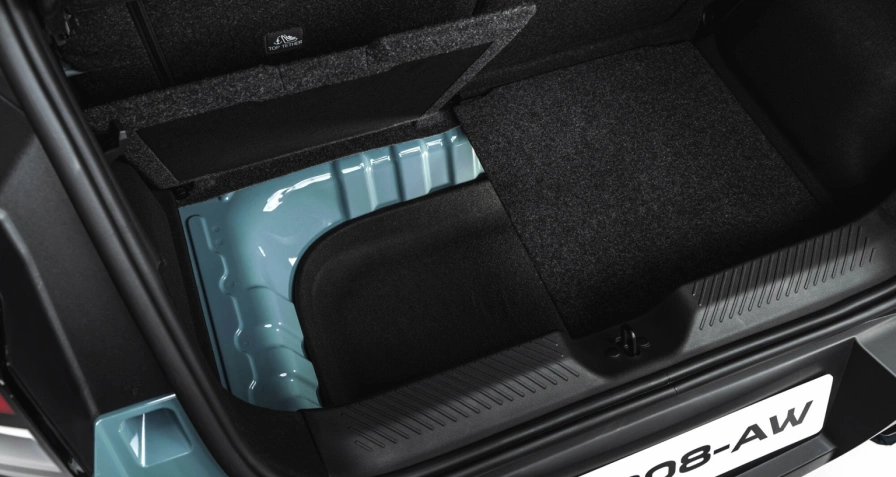
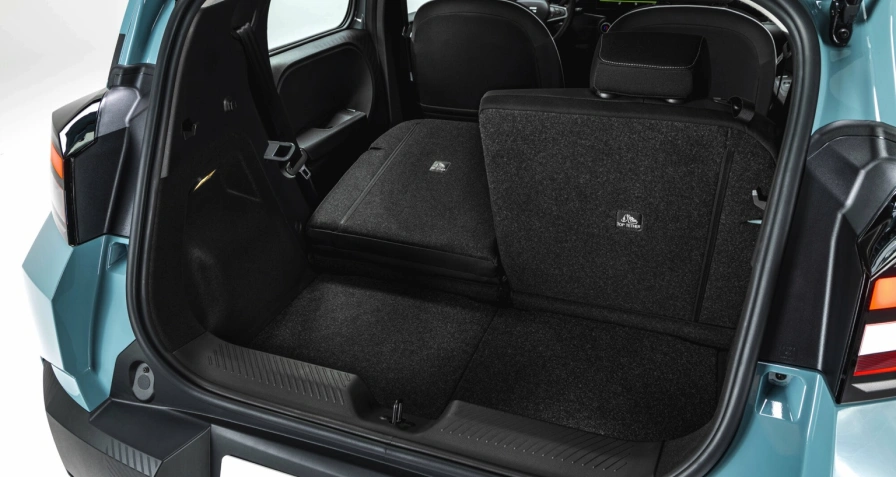
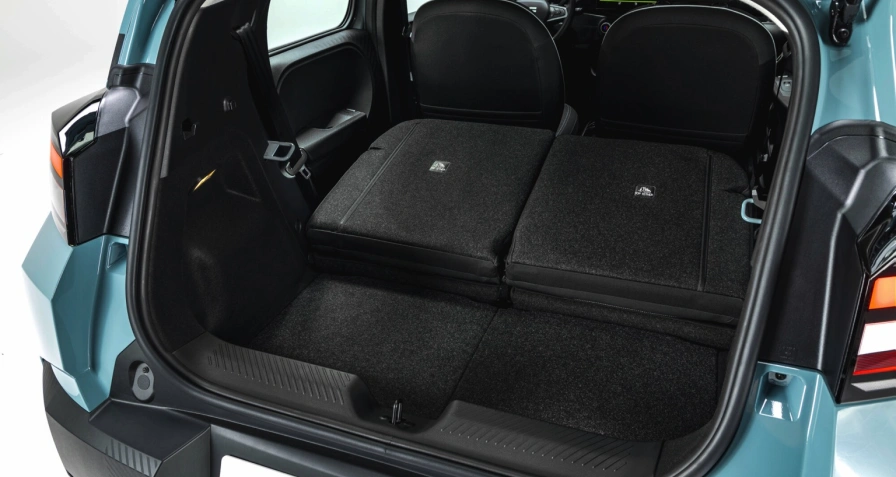
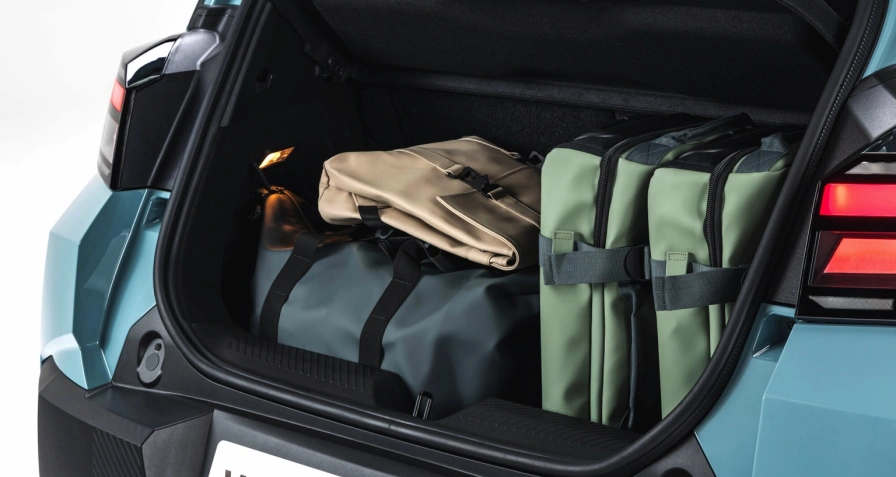
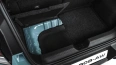
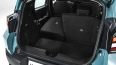
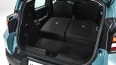
Cargo volume337 L
Maximum cargo volume1283 L
Front trunk18 L
Roof load0 kg
Tow hitch possibleNo
Unbraked towing capacity0 kg
Braked towing capacity0 kg
Maximum vertical load0 kg

Miscellaneous

Seats4 seats
IsofixYes, 2 seats
Turning circle9.9 m
PlatformAmpR Small
Dedicated EV platformYes
Body styleHatchback
SegmentA - Mini
Roof railsNo
Heat pumpNo
Heat pump as standard equipmentNot applicable

Home and destination charging (0 → 100 %)

Charging can be done from a regular wall socket or from a dedicated charging station. Public AC charging is always done through a charging station. How quickly the vehicle can charge depends on the charging equipment, cable, connector and the vehicle’s onboard charging capacity. The table below shows the available charging options for Dacia Spring Electric 80 from empty to full battery.

Norway

In Norway, both single-phase and three-phase AC connections are used, while three-phase charging is common in private and public charging points. The table below lists the possible charging options for Dacia Spring Electric 80, but availability may vary by charging operator, installation and region.

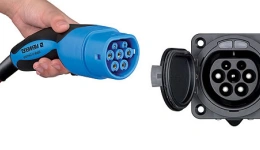
Type 2 (Mennekes - IEC 62196)
AC charging port for Dacia Spring Electric 80 (2026) - Type 2 (Mennekes - IEC 62196)
Charge point Max power Power Time Speed
Standard 6.6 kW On-board charger
Wall outlet (2.3 kW) 230V / 1x10A 2.3 kW 14 h 15 min 12 km/h
1-phase 16A (3.7 kW) 230V / 1x16A 3.7 kW 8 h 45 min 20 km/h
1-phase 32A (7.4 kW) 230V / 1x29A 6.6 kW † 5 h 35 km/h
3-phase 16A (11 kW) 230V / 1x16A 3.7 kW † 8 h 45 min 20 km/h
3-phase 32A (22 kW) 230V / 1x29A 6.6 kW † 5 h 35 km/h
Optional 11.0kW On-board charger
Wall outlet (2.3 kW) 230V / 1x10A 2.3 kW 14 h 15 min 12 km/h
1-phase 16A (3.7 kW) 230V / 1x16A 3.7 kW 8 h 45 min 20 km/h
1-phase 32A (7.4 kW) 230V / 1x32A 7.4 kW 4 h 30 min 39 km/h
3-phase 16A (11 kW) 400V / 3x16A 11 kW 3 h 58 km/h
3-phase 32A (22 kW) 400V / 3x16A 11 kW † 3 h 58 km/h

† = Limited by the onboard charger; the vehicle cannot charge faster than this.

Fast charging (10 → 80 %)

Fast charging is used for longer trips and short charging stops. The actual speed depends on charger power, battery temperature, state of charge, battery preconditioning and the vehicle’s charging curve. The table below shows typical 10–80 % fast-charging options for Dacia Spring Electric 80 where data is available.

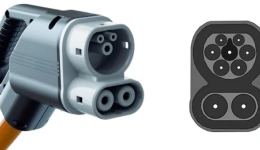
Combined Charging System (CCS Combo 2)
DC charging port for Dacia Spring Electric 80 (2026) - Combined Charging System (CCS Combo 2)
Charge point Max power Avg power Time Speed
CCS (50 kW DC) 50 kW 40 kW † 30 min 240 km/h
CCS (150 kW DC) 50 kW † 40 kW † 30 min 240 km/h
CCS (350 kW DC) 50 kW † 40 kW † 30 min 240 km/h
CCS (500 kW DC) 50 kW † 40 kW † 30 min 240 km/h

† = Limited by the vehicle’s maximum DC charging capability.

Long-distance suitability

Long-distance suitability is not determined by range alone. Charging speed is almost as important. Battery capacity, efficiency and fast-charging performance together decide how useful an electric vehicle is on longer trips.

To make vehicles easier to compare, Elbil RADAR uses a method called “1-stop range”. It combines driving range and charging performance and estimates how far the vehicle can travel with one 15-minute charging stop. The result is converted into a 0–5 star rating.

Dacia Spring Electric 80
0 / 5
0
1
2
3
4
5
144 km
1 h 18 min
15 min
65 km
36 min
123 km
1 h 7 min
15 min
56 km
31 min
180 km (1 h 53 min)
108 km
59 min
15 min
49 km
27 min
157 km (1 h 41 min)
0 km
100
200
300
400
500
600
700
800
Mild weather
209 km 1-stop range
Average conditions
180 km 1-stop range
Cold weather
157 km 1-stop range

© 2026 Elbil RADAR. All rights reserved.

All content on this website is protected by copyright. Use is permitted only with a clear and active link back to the source.

About Elbil RADAR · Contact